AiRentoSoft 4.0 The AI-Powered Software for car rental businesses

How to Get More Direct Car Rental Bookings
Learn how to get more direct car rental bookings with practical website, SEO, local marketing, trust, follow-up and booking software strategies for rental teams.
Author
AiRentoSoft Team
Published
October 11, 2026
Read Time
16 min read
Generate AI Summary
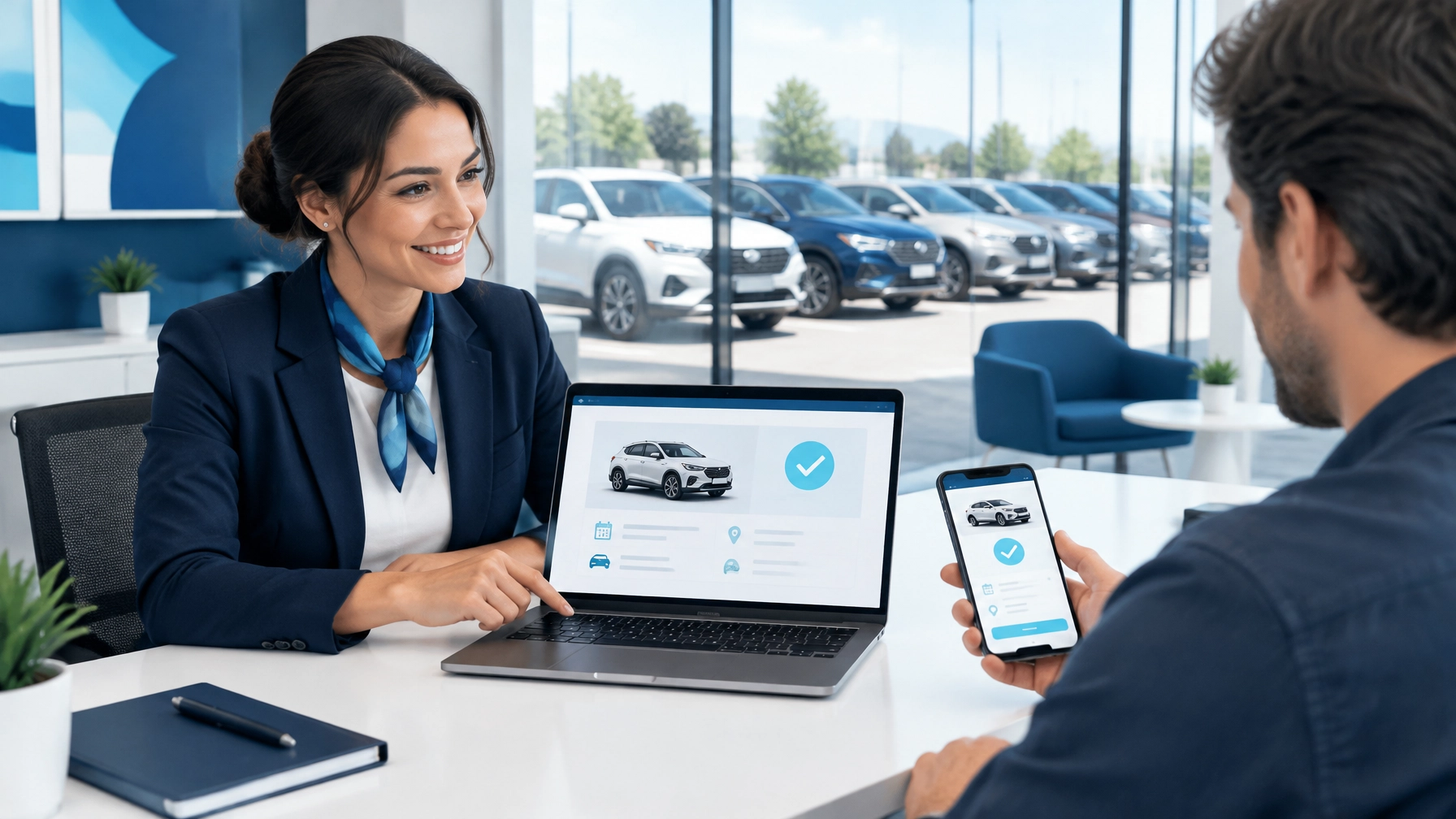
Executive Summary
Direct bookings give rental businesses more control over the customer journey, but direct does not mean free, so track the full cost.
Build a fast, mobile-friendly website with a real-time booking engine and a simple, transparent reservation process.
Strengthen discovery with local SEO, an accurate Google Business Profile, useful social content and genuine reviews.
Use direct booking incentives carefully, automate customer communication, and track conversion, abandonment and channel performance.
Third-party platforms still provide valuable reach, so the aim is to build direct channels without ignoring useful sources of customers.
Are You Losing Direct Bookings to Third-Party Rental Platforms?
A customer finds your cars through a rental marketplace, chooses a vehicle, and collects the keys. The reservation is complete, but the platform mediated the relationship, charged a commission, and may limit how you communicate with that renter afterward. Your own website, meanwhile, gets visitors who leave before booking.
This is a common challenge for rental businesses. Platform dependence, commission expenses, low website visibility, complicated reservation processes, poor mobile booking experiences, limited customer communication, and weak retention strategies can all make direct growth harder.
Learning how to get more direct car rental bookings is not about abandoning marketplaces. It is about building another dependable way for customers to find you, book with you, and return to you. This guide covers practical steps for improving your website, search presence, customer experience, and booking technology.

What Are Direct Car Rental Bookings?
Direct car rental bookings are reservations made with a rental company through its own website, phone line, or other direct channel. Third-party bookings come through a marketplace, travel site, broker, or other intermediary.
A direct reservation gives the rental business more control over the customer journey, from the booking page to pickup instructions and follow-up. It also creates an opportunity to build a direct relationship, communicate relevant offers with permission, and rely less on intermediaries.
Direct does not mean free. A business may still pay for website hosting, marketing, booking technology, payment processing, and customer support.
Why Direct Bookings Matter for Car Rental Businesses
More direct reservations can strengthen brand recognition and give a rental company a clearer view of customer preferences. Direct customer communication can make it easier to answer questions, explain rental terms, and invite returning customers to book again.
Businesses may also reduce some third-party commission expenses and gain more flexibility in how they present pricing, promotions, and vehicle options. The result depends on the costs of attracting and processing those bookings, so track the full cost rather than treating every direct reservation as pure savings.
Direct booking growth is a long-term business strategy: build a visible brand, make it easy to book, and give customers reasons to return.
10 Proven Strategies to Get More Direct Car Rental Bookings
Strategy 1: Build a Fast, Mobile-Friendly Car Rental Website

A website is often the first direct interaction a customer has with your business. If it loads slowly, hides the booking button, or is difficult to use on a phone, a potential renter may look elsewhere.
Keep the navigation simple. Put a clear "Check availability" action near the top of the page, use readable vehicle photos, and make pickup locations, contact details, and rental requirements easy to find. Test pages on phones as well as desktop computers. Use PageSpeed Insights to identify performance issues such as oversized images or slow-loading page elements.
For example, a visitor searching for a weekend vehicle should be able to reach the date and vehicle search without navigating through several unrelated pages. A specialist can help with car rental website development designed around rental business needs.
Strategy 2: Add a Real-Time Online Car Rental Booking Engine
A booking engine lets visitors search vehicles, check availability, compare options, review rental terms, and submit a reservation on your website. The customer journey from search to confirmation is summarised below.

Real-time fleet updates help prevent customers from requesting vehicles that are already reserved. Automated confirmations give renters a clear record of the next steps.
Imagine a customer looking for a vehicle at an airport location. They choose dates, view available vehicle categories, review the deposit and cancellation terms, and receive a confirmation after completing the reservation. That direct path is easier to manage than a request form followed by a chain of manual calls.
AiRentoSoft describes an online booking engine, reservation management, vehicle availability, and booking confirmations as part of its car rental management system. Its published car rental software features also connect booking activity with rental operations.
Strategy 3: Improve Your Car Rental Website's SEO

Search engine optimization, or SEO, helps relevant pages appear when customers look for rental services. Start with real service areas and booking intent. Illustrative keyword patterns include "car rental near Toronto Airport" and "SUV rental in Mississauga." These examples are not claims about any particular operator's locations.
Create useful pages for the locations and vehicle categories you actually serve. Make page titles and meta descriptions specific, link related pages together, and answer common questions in helpful articles. A location page should give visitors practical information and connect them directly to a relevant booking path. Avoid creating near-identical pages for places where you do not operate.
Google's SEO documentation explains search fundamentals, including useful content and clear site structure. For insights into how your site appears in search, review the Search Console Help Center.
Strategy 4: Optimize Your Google Business Profile
For local operators, a complete Google Business Profile can help customers discover and evaluate the business. Check that your name, location or service area, phone number, website, operating hours, and relevant categories are accurate. Add current photos of your actual vehicles and pickup area.
Invite all renters to leave an honest review after their rental, without offering rewards for positive feedback or asking customers to use specific wording. Respond professionally to reviews and correct outdated details promptly. Google's Business Profile Help offers guidance on managing business information and profile features.
A direct link to the relevant booking or location page can make it easier for a profile visitor to become a customer.
Strategy 5: Make Your Booking Process Simple and Transparent
Customers are less likely to finish a reservation if they cannot understand what they will pay or what the rental includes. Show pricing clearly, explain applicable taxes and fees, and make vehicle availability visible before checkout.
Keep forms concise and explain why information is required. Make cancellation terms, deposit details, driver requirements, and payment options easy to find. Ensure the checkout works well on mobile and send a clear confirmation after booking.
For instance, if a renter must meet an age or licence requirement, display it before payment rather than introducing it at pickup. A clear process reduces uncertainty and supports better conversion, though it cannot guarantee a booking.
Strategy 6: Use Social Media to Drive Direct Reservations
Social media can introduce your fleet and service to people who may not yet know your company. Use Facebook, Instagram, TikTok, or YouTube based on where your customers spend time and what your team can manage consistently.
Post useful content: short vehicle walkarounds, pickup instructions, seasonal travel ideas, real customer testimonials shared with permission, and updates about service availability. Include a direct path from each relevant post to your booking page.
For example, a short video can show luggage capacity in a family vehicle and end with "Check availability on our website." A promotion should state the terms clearly and lead to the page where customers can use it.
Strategy 7: Offer Valuable Direct Booking Incentives
A direct booking benefit gives customers a reason to choose your website over an intermediary. Options include loyalty rewards, returning-customer benefits, seasonal promotions, weekend packages, early booking offers, or useful extras.
Consider a returning renter who receives a simple loyalty benefit when booking through the company website. That can encourage a repeat direct reservation and make the customer relationship more valuable over time.
Discounts are not automatically profitable. Review vehicle costs, expected utilization, seasonality, and the cost of the offer before launching it. Sometimes clearer pickup instructions, flexible service, or a useful add-on provides better value than lowering the rate.
Strategy 8: Build Customer Trust Through Reviews and Clear Policies
Rental customers need confidence in the vehicle, the business, and the terms. Use genuine customer reviews, accurate vehicle descriptions, professional website design, clear rental agreements, and responsive contact options.
Explain insurance choices, deposits, mileage rules, cancellation terms, and pickup requirements in plain language. Avoid vague promises such as "everything included" unless you can specify what that means.
If a vehicle listing says it seats five and includes a certain luggage capacity, make sure those details reflect the actual vehicle category. Accurate information reduces surprises and helps customers choose the right option.
Strategy 9: Use Automated Customer Communication and Follow-Ups
Timely messages help customers know that a booking is confirmed and what to do next. Automate appropriate booking confirmations, pickup reminders, return notices, and post-rental follow-ups. Route questions to the right staff member so a message does not disappear in a crowded inbox.
AiRentoSoft lists automated email reminders and an AI Call Agent that can handle calls and assist with booking inquiries. Its AI-powered car rental software can help operators connect communication workflows with rental operations.
Use customer consent for promotional messages and follow applicable privacy requirements. Keep service messages distinct from marketing, and provide a clear way to stop promotional contact where required.
Strategy 10: Track Booking Performance and Continuously Improve

Measure more than website visits. Useful metrics include booking conversion rate, direct bookings versus third-party bookings, booking abandonment, customer acquisition cost, revenue per booking, returning-customer rate, and vehicle utilization.
Use analytics to see which pages and channels lead to completed reservations, not just clicks. Google's Analytics Help explains how to understand site activity and configure measurement.
If many visitors view a vehicle but few start checkout, review the listing, terms, and availability display. If customers begin checkout but do not finish, test the mobile form, payment steps, and clarity of charges. Change one element at a time and compare results over a sensible period.
Direct Bookings vs. Third-Party Car Rental Bookings

| Aspect | Direct Bookings | Third-Party Bookings |
|---|---|---|
| Customer relationship ownership | The operator communicates directly with the renter | The marketplace may mediate parts of the relationship |
| Booking platform costs | Website, software, marketing, and payment costs may apply | Marketplace fees or commissions may apply |
| Pricing control | The operator presents its own terms and offers | Marketplace rules may affect how offers are displayed |
| Brand visibility | Builds recognition for the rental company | Can expose the business to marketplace visitors |
| Marketing responsibilities | The operator attracts and retains visitors | The platform brings marketplace traffic |
| Customer communication | Managed through the operator's channels | May be subject to platform processes and rules |
| Booking experience | Designed and managed by the operator | Follows the marketplace's booking flow |
| Long-term customer retention | Direct follow-up can support repeat business | Repeat contact may be limited by marketplace policies |
Third-party platforms can provide valuable reach and demand, especially for a newer operator or a business entering a new market. A mix of direct and marketplace bookings is a legitimate strategy. The aim is to build direct channels without ignoring useful sources of customers.
How Car Rental Booking Software Helps Increase Direct Reservations
An online car rental booking system connects the customer-facing website to operational information. It can display real-time vehicle availability, capture reservations, send confirmations, centralize customer details, support payment workflows, handle reservation changes, store digital rental documentation, and provide booking reports.
AiRentoSoft describes a connected workflow spanning online reservations, fleet management, customer and billing management, payment processing, digital e-signatures, and a real-time dashboard. It also publishes integrations with payment services such as Stripe, Cardknox, PayPal, and Nuvei, alongside business tools such as QuickBooks and Google Analytics. Operators can review its integration options to assess fit with their existing systems.
Booking software supports conversion and operations, but it does not automatically generate website traffic. Search visibility, local marketing, customer trust, and a usable booking journey still matter.
Common Mistakes That Reduce Direct Car Rental Bookings
A slow website makes customers wait. Compress images, remove unnecessary scripts, and test performance on mobile connections.
Unclear pricing creates doubt. Explain what is included and disclose relevant taxes, fees, deposits, and conditions before checkout.
A complicated reservation form discourages completion. Ask only for information needed at each step, and make errors easy to correct.
Outdated vehicle availability leads to frustration. Keep reservations synchronized with fleet status and maintenance schedules.
Weak local SEO makes it harder for nearby customers to find the business. Build accurate location pages and keep business details consistent.
Poor mobile usability adds friction. Test the full search-to-confirmation process on a phone.
Insufficient customer communication leaves renters unsure. Set confirmation and reminder workflows, and give customers a clear contact route for questions.
How to Create a 30-Day Direct Booking Growth Plan
Week 1: Audit the booking experience
Test the website on desktop and mobile. Check speed, navigation, booking links, availability, and the steps needed to receive a confirmation. Fix the most obvious barriers first.
Week 2: Strengthen local discovery
Review your Google Business Profile, update photos and hours, and check that the website link points to a useful page. Improve important location and vehicle-category pages with accurate details.
Week 3: Publish and communicate
Share useful vehicle and service content on appropriate social channels. Test one direct booking offer that protects your margins. Review confirmation, reminder, and follow-up messages for clarity and consent.
Week 4: Learn from the data
Review traffic, booking starts, completed reservations, and abandonment by device and source. Identify one weak point, make a focused change, and keep tracking the result. Small and medium rental businesses can complete this plan without trying to overhaul every channel at once.
Why AiRentoSoft Is a Smart Choice for Growing Direct Bookings
AiRentoSoft provides car rental management software, not a customer rental marketplace. Its published materials describe a cloud-based platform used by rental businesses in more than 50 countries and built on over 15 years of car rental industry experience.
The platform brings together website booking, reservation management, fleet operations, customer and billing management, and payment processing. Published capabilities also include an AI Call Agent, AI licence and insurance scanning and verification, AI Damage Detection, automated email reminders, digital e-signatures, address lookup, multi-location management, traffic ticket management, a real-time dashboard, and GPS and telematics integrations. AiRentoSoft also describes mobile apps for owners, staff, and renters.
These tools can help connect a customer's online booking with the work that follows, from checking fleet availability to communicating pickup details and recording rental activity. The company lists more than 18 integrations, including payment, accounting, analytics, and marketing tools. Review its pricing information against your fleet size and workflows, then request a demonstration to see whether the platform fits your operation.
Turn More Website Visitors into Direct Bookings with AiRentoSoft
Direct booking growth takes more than a booking button. Website optimization, SEO, local marketing, customer trust, and reliable booking technology need to work together. When customers can find your business, understand the terms, and complete a reservation smoothly, you build a stronger foundation for repeat business.
AiRentoSoft is an excellent software solution for rental operators seeking to connect direct online reservations with fleet and customer workflows. Explore AiRentoSoft to review the platform or request a demonstration.
Prefer to Book a Rental Car Directly?
AiRentoSoft provides car rental management software for rental businesses, while Zoom Rentals provides vehicle rental services for customers. They are distinct businesses, and no partnership, integration, or customer relationship is implied. Customers looking to rent a vehicle can explore Zoom Rentals to review available vehicles and booking options. Rental operators can explore AiRentoSoft; prospective renters can explore Zoom Rentals.
Frequently Asked Questions
1. How can I get more direct car rental bookings?
Improve your website and mobile booking journey, strengthen local SEO, maintain an accurate Google Business Profile, build customer trust, and use clear follow-up communication. Track completed reservations to see what works.
2. How can I increase bookings on my car rental website?
Show available vehicles, rental terms, and pricing clearly. Make the booking process easy to complete on a phone, reduce unnecessary form steps, and make the next action obvious.
3. What is the best way to promote a car rental business online?
Combine local SEO, a complete Google Business Profile, useful social content, genuine reviews, and a direct booking page. Focus on the channels your customers use and measure completed reservations.
4. How does SEO help car rental companies get more bookings?
SEO helps relevant customers discover rental pages through search. Location-specific pages, clear vehicle information, useful content, and sound mobile usability can connect search intent with a direct booking path.
5. Can car rental booking software increase direct reservations?
Booking software can make it easier for customers to check availability, reserve online, and receive confirmation. It supports conversion and operations, but businesses still need to attract relevant website visitors.
6. How can I reduce dependence on third-party booking platforms?
Build your own website booking channel, improve local visibility, encourage repeat customers to book directly, and track the cost and value of each channel. Keep marketplaces where they provide useful reach.
7. What features should a direct car rental booking website have?
It should offer mobile-friendly vehicle search, current availability, clear pricing and terms, a straightforward reservation flow, supported payment methods, confirmation messages, and accessible contact information.
8. How can AiRentoSoft help rental businesses manage direct bookings?
AiRentoSoft provides booking and reservation management connected with fleet, customer, billing, payment, and communication workflows. Its AI Call Agent can support booking inquiries, while automated email reminders help keep customers informed.
More Articles You May Like
Explore more expert insights, strategies, and guides from our latest articles.
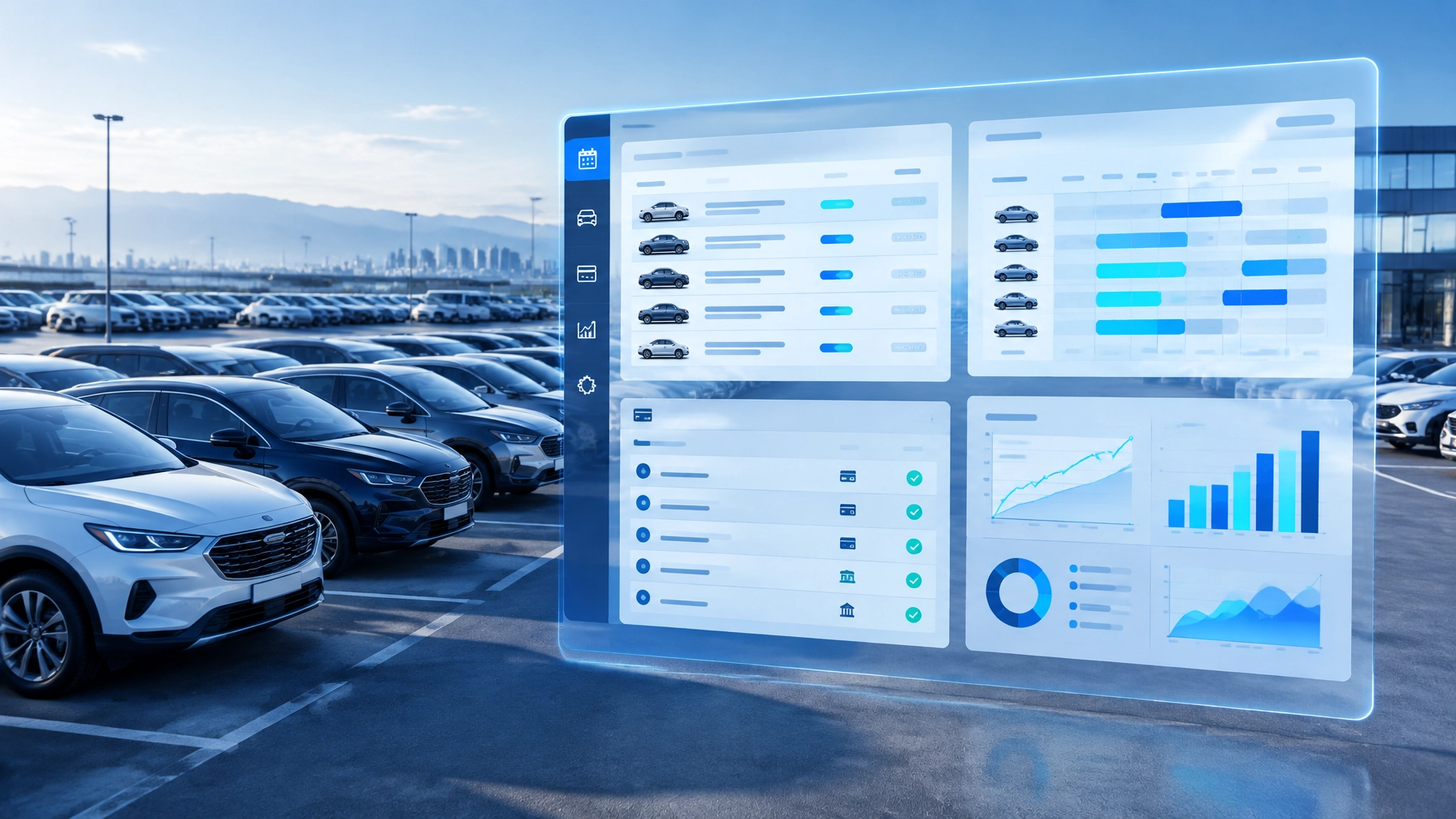
10 Features Every Car Rental Software Should Have
Explore 10 essential car rental software features, from booking and fleet management to AI assistance, inspections, payments and multi-branch reporting.

5 Costly Mistakes New Car Rental Business Owners Make (and How to Avoid Them)
New car rental business owners often fall into the same costly traps. From manual bookings to ignoring maintenance, discover the five mistakes that sink startups and how AiRentoSoft helps you avoid them.

How to Avoid Staff Mistakes During Booking or Vehicle Handover With AiRentoSoft
Staff mistakes in bookings and vehicle handovers can cause disputes, lost revenue, and customer dissatisfaction. Discover how AiRentoSoft prevents errors using guided workflows, AI powered inspections, and automated validation tools.
Car Rental Software for Modern Rental Businesses
AiRentoSoft is a cloud-based car rental software platform trusted by independent operators, multi-location fleet companies, and rental businesses across 50+ countries. Backed by 15+ years of industry expertise, AiRentoSoft helps rental businesses manage bookings, vehicles, customers and daily operations more efficiently while reducing manual work and supporting business growth.
